
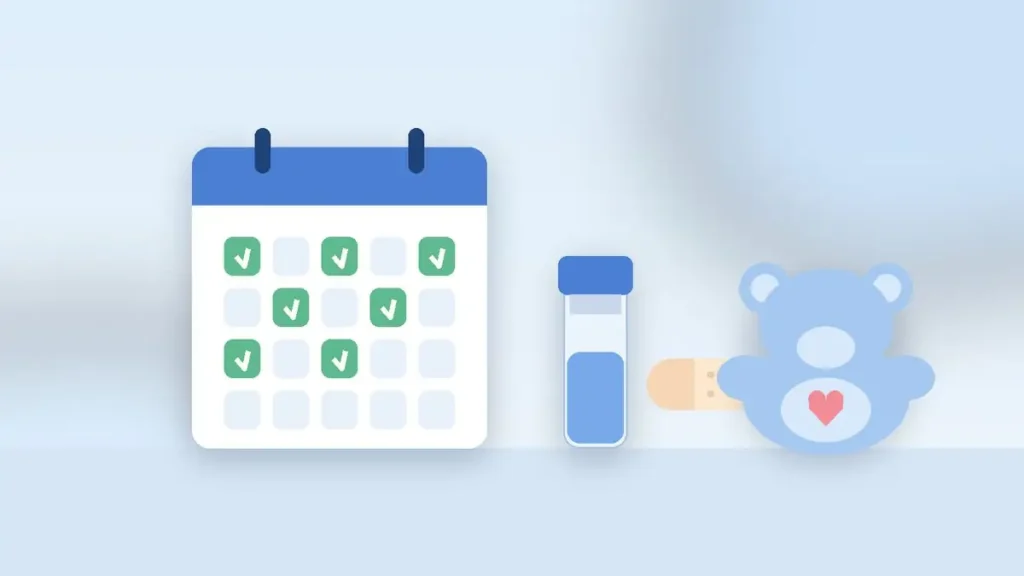
Under India’s Universal Immunisation Programme (UIP), a newborn’s first vaccines are given at birth: BCG, the birth dose of oral polio vaccine (OPV-0) and the hepatitis B birth dose. After that, the National Immunisation Schedule sets visits at 6, 10 and 14 weeks, again at 9–12 months, 16–24 months, 5–6 years, and booster doses at 10 and 16 years. These vaccines are free at government health facilities, and the same schedule is followed at Paediatrics & Newborn Care, Kamaal Nursing Home, Dhampur. This article explains the schedule in plain language so parents in Dhampur and Bijnor know what to expect at each visit.
Why the vaccination schedule matters
A baby is born with some protection passed on from the mother, but it fades over the first months of life. Vaccines are timed to protect the child just before the age at which each disease is most dangerous. The Ministry of Health and Family Welfare (MoHFW) designs the National Immunisation Schedule with input from the National Technical Advisory Group on Immunisation and the World Health Organization, and the UIP now covers 12 vaccine-preventable diseases including tuberculosis, polio, diphtheria, whooping cough (pertussis), tetanus, hepatitis B, Hib disease, rotavirus diarrhoea, pneumococcal disease, measles, rubella and Japanese encephalitis in endemic districts.
Every dose is recorded on the child’s Mother and Child Protection (MCP) card. Keep this card safe and bring it to every visit, including sick visits.
Newborn vaccination schedule in India (UIP), visit by visit
At birth (ideally before leaving the hospital)
- BCG – protects against severe forms of childhood tuberculosis.
- OPV-0 – the first (zero) dose of oral polio drops.
- Hepatitis B birth dose – given as early as possible, within 24 hours of birth.
6 weeks
- OPV-1 and fIPV-1 (fractional inactivated polio vaccine injection)
- Pentavalent-1 – one injection covering diphtheria, pertussis, tetanus, hepatitis B and Hib
- Rotavirus-1 (oral drops)
- PCV-1 (pneumococcal conjugate vaccine)
10 weeks
- OPV-2, Pentavalent-2, Rotavirus-2
14 weeks
- OPV-3, fIPV-2, Pentavalent-3, Rotavirus-3, PCV-2
9 to 12 months
- Measles-Rubella (MR) 1st dose
- PCV booster
- fIPV-3
- Japanese encephalitis (JE) 1st dose – in districts where the JE vaccine is part of the schedule; ask your doctor whether it applies in Bijnor
- Vitamin A first dose (then every six months up to 5 years)
16 to 24 months
- DPT booster-1 and OPV booster
- MR 2nd dose
- JE 2nd dose (where applicable)
5 to 6 years, 10 years and 16 years
- DPT booster-2 at 5–6 years
- Td (tetanus and adult diphtheria) at 10 years and again at 16 years
Your paediatrician may also discuss optional vaccines recommended by the Indian Academy of Pediatrics that are not part of the free government schedule, such as typhoid, hepatitis A, chickenpox, influenza or MMR. Whether these suit your child is an individual decision to make with the doctor.
What to expect after a vaccine
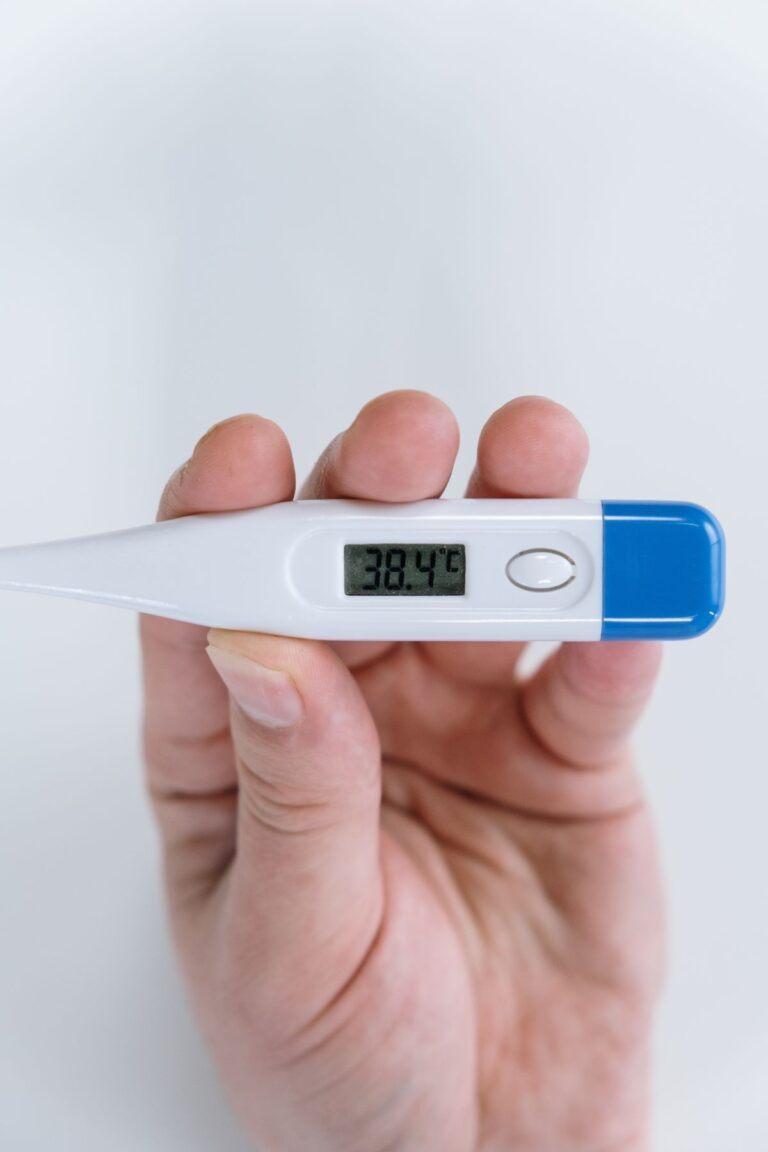
Mild fever, fussiness, sleepiness and a sore or slightly swollen injection site for a day or two are common and usually settle on their own. The nurse or doctor will tell you if paracetamol is appropriate and in what dose for your baby’s weight. A small lump at the BCG site that later forms a tiny scar is expected. Contact a doctor promptly if your baby has a high fever that does not settle, is unusually drowsy or difficult to wake, has a fit, develops a widespread rash or swelling of the face, or if you are worried for any reason. Our Emergency & Ambulance service is open 24×7. You may also find our guide on child fever and when to see a paediatrician useful.
If a dose is missed
Missing a date does not mean starting again. The schedule can be caught up from where it stopped, and most vaccines can still be given late. Bring the MCP card so the doctor can see exactly which doses are pending and plan the catch-up.
Getting your baby vaccinated in Dhampur
Routine immunisation is available at government health centres and at the paediatric OPD of Kamaal Nursing Home. Babies born in our Critical Care & Maternity unit receive the birth doses before discharge. To book a vaccination visit or ask about a missed dose, call the front desk on 01344-221786 or see the contact page for directions.
Frequently asked questions
Can my baby be vaccinated if they have a cold or mild fever?
Minor illnesses such as a mild cold usually do not require postponing vaccines, but the doctor will examine the child first and decide. A high fever or a more serious illness may mean waiting a few days.
Are several injections in one visit safe?
Yes. Giving more than one vaccine at the same visit is standard practice under the national schedule and does not overload a baby’s immune system. Combined vaccines such as pentavalent reduce the number of injections.
Where can I check the official schedule?
The National Immunisation Schedule is published by the Ministry of Health and Family Welfare under the Universal Immunisation Programme. Your doctor can confirm which vaccines apply in your district.
Hindi summary – संक्षेप
भारत के राष्ट्रीय टीकाकरण कार्यक्रम के अनुसार नवजात शिशु को जन्म के समय BCG, पोलियो की बूंद और हेपेटाइटिस B का टीका लगता है। इसके बाद 6, 10 और 14 सप्ताह, 9–12 महीने, 16–24 महीने, 5–6 साल, 10 और 16 साल पर टीके लगते हैं। MCP कार्ड हर बार साथ लाएं। कोई डोज़ छूट जाए तो घबराएं नहीं, डॉक्टर से मिलकर बाकी टीके लगवाएं। धामपुर में कमाल नर्सिंग होम की बाल रोग OPD में टीकाकरण के लिए 01344-221786 पर कॉल करें।
This article is for general information; consult a doctor at Kamaal Nursing Home for advice about your condition.