

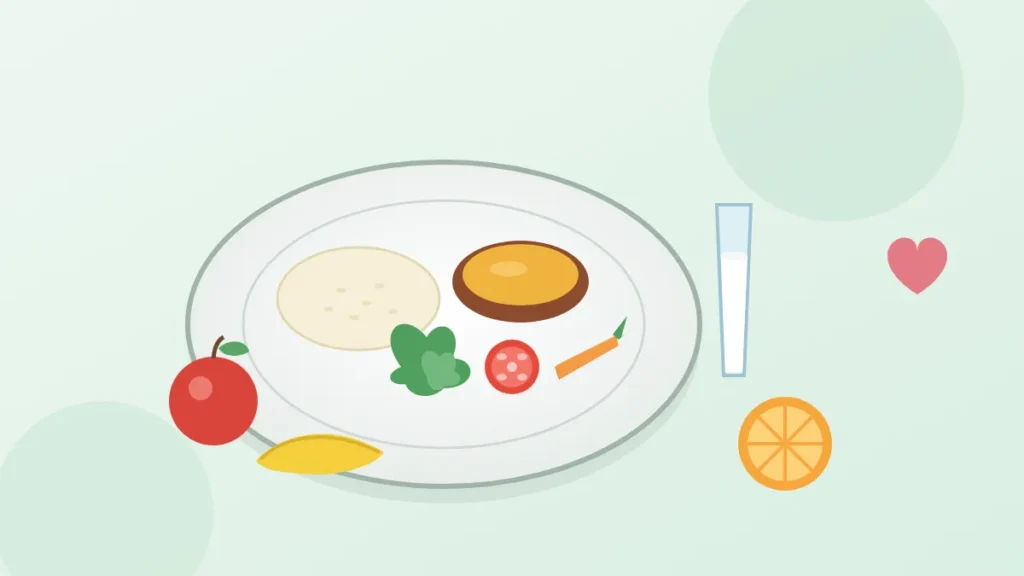
A healthy pregnancy diet chart for Indian mothers does not need special or expensive foods. It is built from what most kitchens in Dhampur and Bijnor already have: roti and rice, dal and other pulses, seasonal vegetables and fruit, milk or curd, and plenty of clean water, spread over three meals and two or three small snacks a day. Iron, folic acid and calcium are the nutrients that matter most, and your doctor will usually add supplements for these because food alone rarely covers the extra need. This guide explains what to eat in each trimester, what to limit, and when to ask the Obstetrics & Gynaecology team at Kamaal Nursing Home for advice.
Why diet matters during pregnancy
During pregnancy the body builds the baby, the placenta and a larger blood supply, so the need for several nutrients rises even though the need for extra calories is modest. Anaemia (low haemoglobin) is common among pregnant women in India, which is why the Ministry of Health and Family Welfare recommends iron and folic acid tablets for every pregnant woman through the antenatal period, alongside an iron-rich diet. Good nutrition also supports steady weight gain, helps you cope with tiredness and nausea, and lowers the chance of complications that need extra care at delivery.
The simplest rule: aim for variety and colour on your plate, eat small amounts often, and do not try to “eat for two”. Extra food is needed, but only a little more than usual, mostly in the second and third trimesters.
Indian pregnancy diet chart by trimester
First trimester (months 1 to 3)
Nausea and food aversions are common in the first three months, so the goal is to keep eating small, light meals rather than to eat more. Useful choices include dry toast, poha, upma, dalia, khichdi, a banana or seasonal fruit, curd, and plain roti with dal. Folic acid is especially important in these weeks because the baby’s brain and spinal cord are forming; green leafy vegetables, pulses, citrus fruit and the folic acid tablet your doctor prescribes all help. Sip water, nimbu pani or coconut water through the day if large drinks make you feel sick.
Second trimester (months 4 to 6)
Appetite usually returns and the baby grows quickly. Add one extra small meal or snack to your usual routine. Build each main meal around a cereal (roti, rice, bajra or jowar), a protein (dal, chana, rajma, paneer, egg, chicken or fish if you eat them), a vegetable and a serving of curd or milk. Calcium matters for the baby’s bones, so include milk, curd, paneer, ragi and sesame (til). Iron-rich foods such as spinach and other saag, beetroot, dates, jaggery and sprouted moong help your haemoglobin; eating a vitamin C source such as amla, orange, guava or lemon with the same meal helps the body absorb iron.
Third trimester (months 7 to 9)
The growing uterus presses on the stomach, so heartburn and feeling full quickly are common. Switch to five or six small meals instead of three large ones, and avoid lying down straight after eating. Keep up protein, calcium and iron, add fibre from whole grains, fruit and vegetables to prevent constipation, and drink enough water. If your doctor has told you that you have gestational diabetes or high blood pressure, follow the specific diet advice given at your antenatal visit, as it will differ from a general chart.
A sample day on an Indian pregnancy diet
- Early morning: a glass of milk or a few soaked almonds and a date.
- Breakfast: vegetable poha, upma, dalia or two rotis with a vegetable, plus a fruit.
- Mid-morning: a seasonal fruit, coconut water or a bowl of curd.
- Lunch: two to three rotis or a bowl of rice, dal, a green vegetable, salad and curd.
- Evening: roasted chana, sprouts, a paneer sandwich or a glass of milk with a few biscuits.
- Dinner: roti or rice with dal or a non-vegetarian dish, and a vegetable; keep it lighter than lunch.
- Bedtime: a glass of warm milk if you are not too full.
Vegetarian mothers can meet protein needs by combining dal and cereals (dal-chawal, khichdi, roti-dal), adding paneer, curd, soya and nuts. Non-vegetarian mothers should make sure eggs, chicken and fish are fully cooked.
Foods to limit or avoid in pregnancy
The NHS and other health bodies advise pregnant women to avoid raw or undercooked eggs, meat and fish, unpasteurised milk and soft cheeses made from it, raw sprouts that have not been cooked, and alcohol in any amount. Limit caffeine from tea and coffee, very salty or deep-fried snacks, sugary drinks and packaged foods. Wash fruit and vegetables well, drink boiled or filtered water, and avoid food from places where hygiene is doubtful, since stomach infections are harder on the body during pregnancy. Papaya that is still raw or semi-ripe is traditionally avoided in India; ask your doctor if you are unsure about any particular food.
Supplements: iron, folic acid and calcium
Under India’s national antenatal care guidance, iron-folic acid (IFA) and calcium tablets are prescribed to pregnant women, and the dose and timing are decided by your doctor based on your haemoglobin and stage of pregnancy. Take IFA tablets as advised, ideally not with tea, coffee or milk, which reduce iron absorption. Routine blood tests during antenatal visits, including haemoglobin and blood sugar, are available at the Diagnostics department at Kamaal Nursing Home so the chart can be adjusted if a deficiency is found.
Frequently asked questions
How much weight should I gain during pregnancy?
It depends on your weight before pregnancy, so there is no single number that fits everyone. Your doctor will track your weight at each antenatal visit and tell you whether the gain is on course.
Can I fast during pregnancy?
Fasting for long hours can cause low blood sugar and dehydration, which are harder on the body in pregnancy. If fasting matters to you for religious or personal reasons, discuss it with your obstetrician first so it can be planned safely, or avoided if your pregnancy is high-risk.
Is ghee good in pregnancy?
A small amount of ghee or oil is a normal part of an Indian diet and provides energy, but large amounts add calories without other nutrients. One to two teaspoons a day with meals is usually enough unless your doctor advises otherwise.
Antenatal care in Dhampur
Diet works best alongside regular antenatal check-ups. Dr. Nazneen Khan, Obstetrician & Gynaecologist, sees pregnant women at Kamaal Nursing Home for antenatal check-ups, pregnancy scans and delivery planning, and the labour room at Dr. Kamaal Critical Care & Maternity is open 24×7 with a paediatrician checking every newborn. To book an antenatal visit, contact the front desk on 01344-221786.
Hindi summary (हिंदी सारांश): गर्भावस्था में रोटी-चावल, दाल, हरी सब्ज़ियाँ, मौसमी फल, दूध-दही और पर्याप्त पानी से बना साधारण घरेलू भोजन ही सबसे अच्छा डाइट चार्ट है। दिन में तीन बार भरपेट खाने की जगह थोड़ा-थोड़ा पाँच-छह बार खाएँ। आयरन, फोलिक एसिड और कैल्शियम की गोलियाँ डॉक्टर की सलाह के अनुसार ज़रूर लें। कच्चा या अधपका भोजन, बिना उबला दूध और बाहर का खुला खाना न लें। धामपुर में कमाल नर्सिंग होम के प्रसूति एवं स्त्री रोग विभाग में जाँच के लिए 01344-221786 पर कॉल करें।
Sources: Ministry of Health and Family Welfare, Government of India, antenatal care and Anemia Mukt Bharat guidance; NHS, “Foods to avoid in pregnancy”.
This article is for general information; consult a doctor at Kamaal Nursing Home for advice about your condition.

One response to “Pregnancy Diet Chart for Indian Mothers: Trimester-by-Trimester Guide from Dhampur”
[…] Pregnancy Diet Chart for Indian Mothers: Trimester Guide […]